WordPress 6.9 “Gene” & our internal Contributor Days – active together for open source

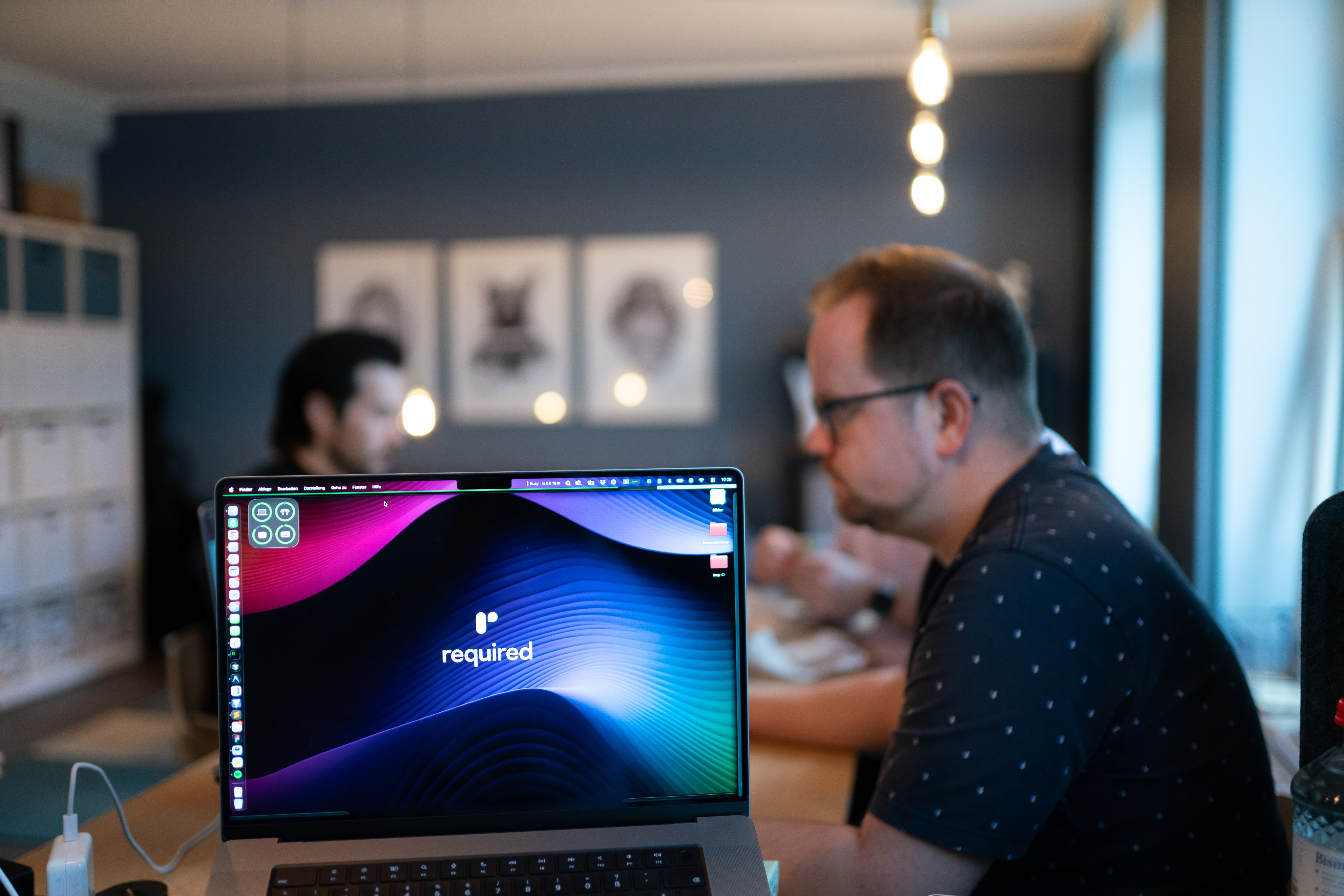
With the release of WordPress 6.9 (“Gene”) come many improvements and features that strengthen collaboration, performance and sustainability. This version is an invitation for us to not only be users, but also active contributors. For us at required, this is much more than just an update – it is an opportunity to make our commitment to open source a reality.
A content management system helps you to manage your online presence efficiently. It should be user-friendly, offer a wide range of features and allow for a high degree of customisation, while also being affordable. However, WordPress has even more advantages.
What’s new in WordPress 6.9?
Block comments / notes: Comments can now be attached directly to individual blocks in the editor, ideal for feedback, reviews, editorial work or team coordination. Comments can be answered, marked as “done” or simply discussed.
Block visibility in the frontend: Blocks can now be left in the editor but made temporarily invisible in the frontend. This is practical for drafts, seasonal content, A/B tests or content that is to be activated later, for example.
Command Palette now in the entire dashboard: Not just in the site editor. With WordPress 6.9, the Command Palette is available everywhere. Quickly jump between admin areas, perform actions via the keyboard, create new posts, etc.
New blocks: 6.9 brings a range of new and improved blocks that bring more flexibility and convenience to content and layout management. These include, for example, the Accordion block, Math block for equations or “Fit Text to Container” / Stretchy Text to automatically adjust headings and paragraphs to the container width.
“Abilities API” & technical basis for AI & automation: With the new API, website functions and abilities can be registered in a standardized way. An important basis for plugins, automation and future AI features.
Performance optimizations: WordPress 6.9 brings various improvements to make pages load faster, including smarter loading of block styles (only when used), more efficient template processing and better resource utilization.
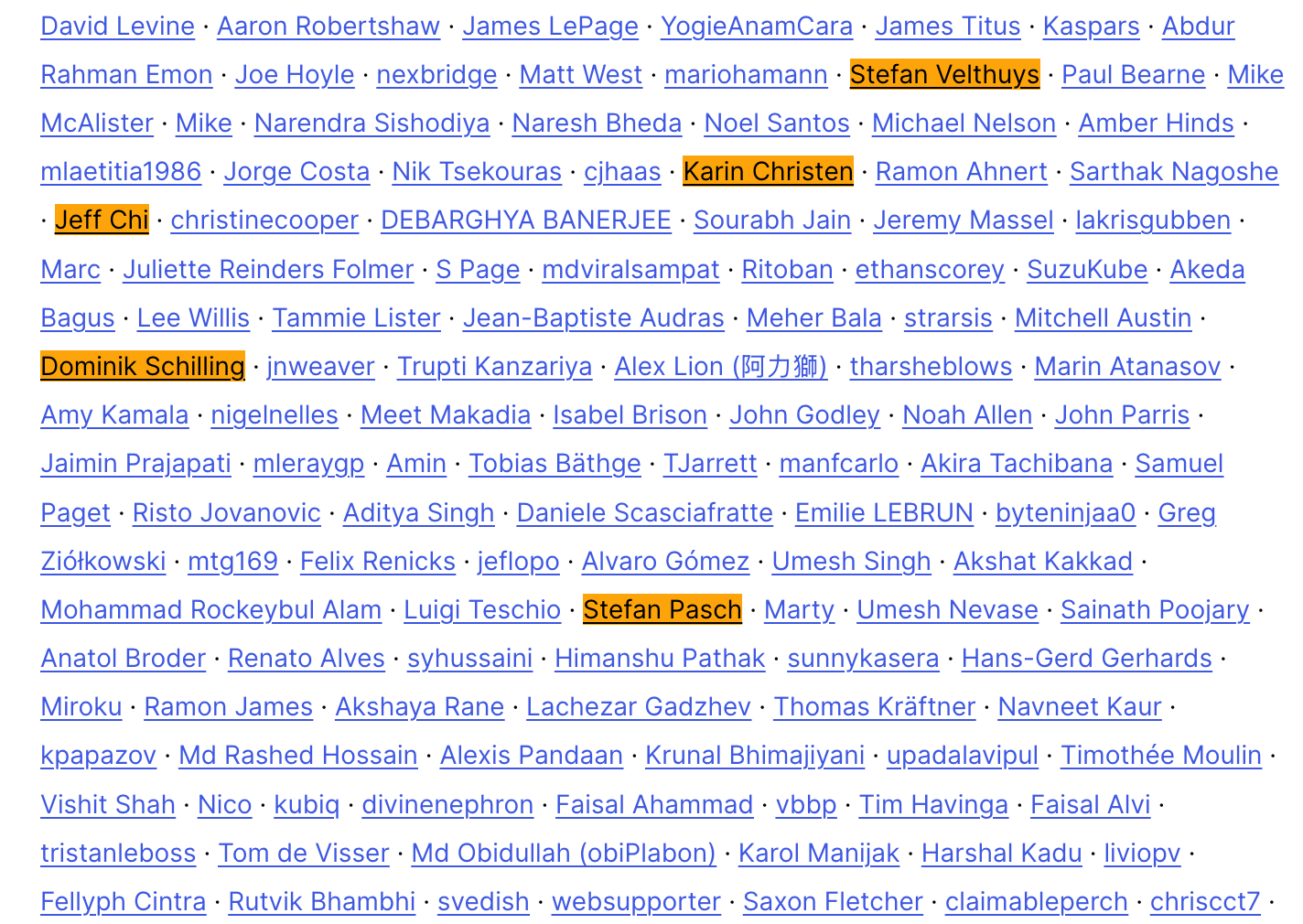
WordPress 6.9 was made possible by more than 900 contributors from all over the world, including 279 who contributed for the first time.
Our internal Contributor Days
Thanks to our monthly internal Contributor Days, initiated and led by me, we were able to systematically and jointly contribute to the core as a team for the first time.
As a remote team, we always organized our Contributor Day online. We usually started with coffee or tea together, a brief review, and the definition of new goals. The “day” was limited to three hours with enough breaks in between to clear our heads.
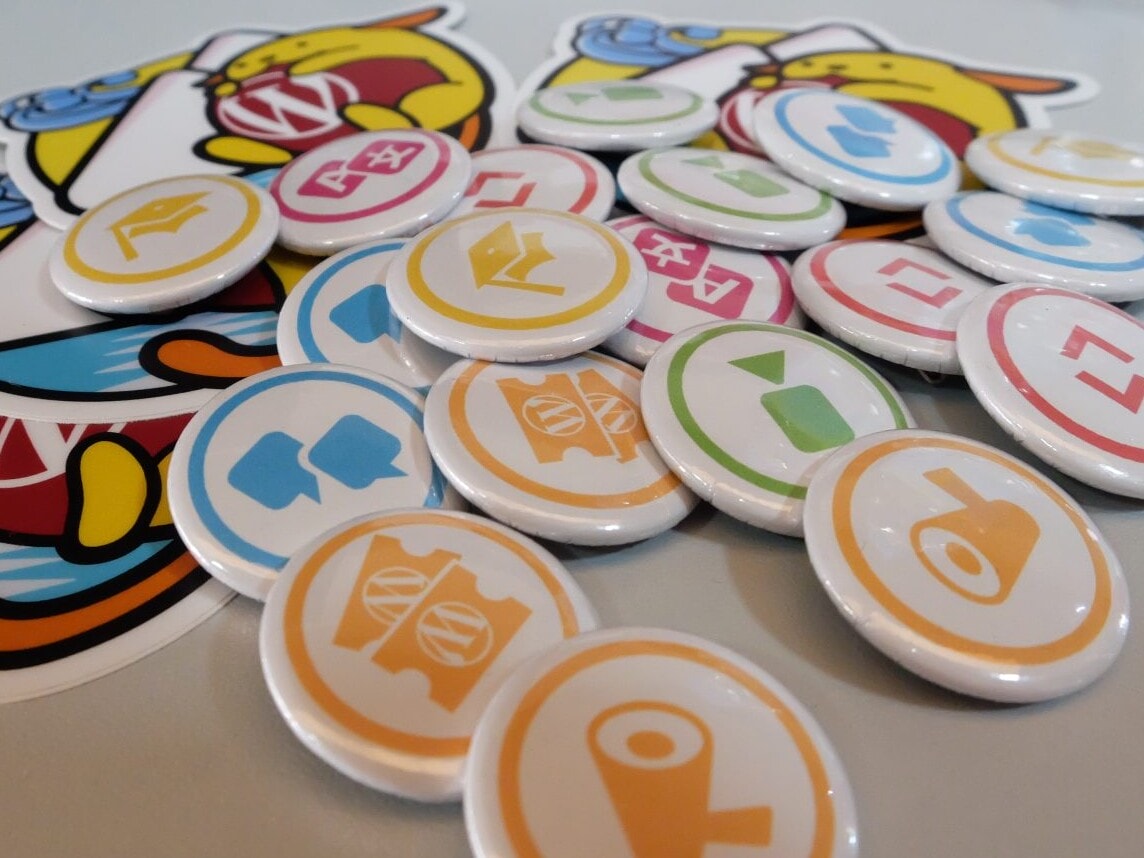
Contributor Days are days (typically as part of a WordCamp) where people from the community come together to actively contribute to the WordPress project, whether it’s writing code, documenting, translating, testing or providing support – anyone can join in.
Here is an overview of our activities and successes:
What we have done
- Review of open issues in the core, especially those that were critical for 6.9.
- Testing of new features, functionalities and backwards compatibility, especially in connection with typical use cases from our agency practice.
- Documentation work: Supplementing and improving core documentation and translations (where necessary).
- Code contributions: Bug fixes, small improvements or patches that we have made available upstream.
- Knowledge sharing within the team: joint sessions in which we discussed and ran through new features, use cases and potential problems.
What goals we have achieved
- For the first time in a release, everyone in the team received so-called “props” – a sign that our contributions are being taken seriously and are having an impact. We received the props, for example, by optimizing the upload button or cleaning up outdated CSS code.
- We have closed several issues or helped to resolve them.
- Through testing and feedback in real projects, we were able to ensure that 6.9 also runs stably under “agency conditions”.
- Our team has gained a better understanding of how open source contribution works in the context of an agency, from process to prioritization.
Learnings
- Open source contributions benefit enormously from a regular, structured approach. Spontaneous contributions are good, but regularity makes all the difference.
- Joint testing in real projects provides different insights than isolated testing. Practical scenarios often uncover bugs that would otherwise remain undetected.
- Transparency and appreciation motivate the team. Props are more than just a symbol: they show that contributions are seen and respected.
- Teamwork not only strengthens the result, but also the sense of community – and makes open source work more tangible.
Our responsibility as part of the WordPress community
With our Contributor Days, we show that we don’t just implement projects but have made a conscious decision to play an active role in shaping them. We stand for the fact that agencies can be more than just service providers: they can be bridges to the community, co-creators and supporters in the open source ecosystem.
Five for the Future is an initiative in which companies or teams use part of their resources (e.g. time, know-how, collaboration) to actively contribute to the continued existence and further development of WordPress – ideally up to 5% of capacity, but any form of commitment counts.
For us, WordPress 6.9 is not just a software milestone, but proof that commitment, collaboration and responsibility are worthwhile.
Did you know? We were also very active at WordCamp Europe 2025!